
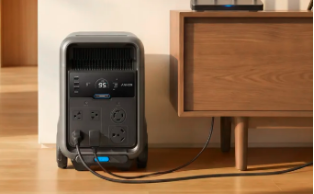
Choosing the best solar generator for 2026 for a quiet home office means finding backup power that keeps work on track without adding unnecessary noise.
Whether you work remotely every day or need a dependable option for occasional outages, the right setup can help protect your workflow and keep you connected. This guide covers the key considerations for choosing a suitable system, estimating your needs, and using backup power safely during interruptions.
Alt: Portable power station for home backup
Quick Answer: What Is the Best Solar Generator for a Quiet Home Office in 2026
l Choose a battery-powered solar generator for quiet home office backup. It provides electricity without engine noise or exhaust during battery operation.
l Match power output to your equipment. Consider the combined wattage of laptops, monitors, routers, and other essential devices to ensure the generator can handle your workload.
l Choose sufficient battery capacity. Estimate how many hours you need backup power and select a capacity that supports your work setup for the expected outage duration.
l Check noise levels and safety features. Consider fan noise, ventilation requirements, placement, and available outlets to maintain a comfortable and reliable home office during a power outage.
What Makes a Solar Generator Suitable for Quiet Home Office Backup
Quiet operation is one reason battery-powered solar generators suit home offices. Their design can reduce background noise, while other operating factors affect the overall experience.
Quiet Battery Power for Focused Work
A battery-powered solar generator supplies electricity from stored energy without running a combustion engine. This eliminates engine noise and exhaust during operation, making it quieter than a typical fuel-powered generator. For a home office, this can make video calls more comfortable, reduce distractions during focused tasks, and help maintain a calmer working environment during a power outage.
Fan Noise, Inverter Operation, and Placement
Although battery-powered generators avoid engine noise, their cooling fans and electrical components may still produce sound. Fan activity can increase when the unit handles heavier loads or needs to dissipate more heat. Check the stated noise level and leave adequate clearance around the unit for airflow. This helps balance quiet operation with effective cooling during extended use.
How to Size a Solar Generator for Your Home Office
Quiet operation helps maintain a comfortable workspace, but your solar generator must also supply enough power to keep essential office equipment running throughout an outage.
l Calculate the combined power draw of your equipment. List the devices you need during a power cut, such as a laptop, monitor, router, desk lamp, and phone charger. Check their rated wattage and add the figures together to estimate the total running load. Choose a generator with a continuous AC output that comfortably exceeds this total, allowing room for additional devices if needed.
l Estimate how many hours of backup power you need. Add up the watt-hours consumed by your equipment over a typical work session. For example, a setup drawing 150W for eight hours requires 1,200Wh of usable energy. Since conversion losses reduce the energy available to AC devices, choose a battery capacity larger than your calculated requirement.
l Consider your recharging options. If an outage lasts longer than one workday, check whether you can recharge the generator through a wall outlet when power returns or use compatible solar panels when sunlight is available. This helps you plan for extended interruptions rather than relying solely on the initial battery charge.
How to Keep Your Home Office Running During an Outage Safely
Once you know your office’s power needs and required backup hours, plan how to use that capacity safely while keeping essential equipment running during an outage.
Prioritize Essential Devices and Manage Power Loads
Keep only work-critical devices connected, such as your laptop, router, monitor, and desk lamp. Pause printers, speakers, and other nonessential loads when possible. The Anker SOLIX S5000 offers a 5kWh battery and 4,500W rated output, but actual runtime depends on combined power consumption. Check device wattage and leave sufficient capacity for essential tasks.
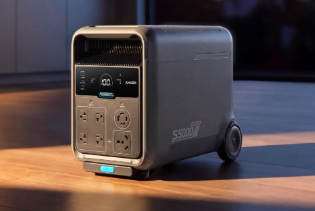
Alt: Anker SOLIX S5000
Place Your Power Station Safely and Keep Vents Clear
Place the power station on a stable, dry surface in a well-ventilated area, away from heat sources, moisture, and busy walkways. Keep air intakes and exhaust vents unobstructed, following the manual’s clearance requirements. Avoid hiding the unit under a desk or inside a cabinet, as restricted airflow can cause heat buildup and interfere with cooling.
Protect Electronics and Avoid Unsafe Electrical Connections
Connect laptops, monitors, and networking equipment to compatible outlets, following the power station’s instructions. Use a surge protector only if its ratings and the equipment manuals permit it. Never plug a power station into a wall outlet to energize household wiring. For home circuit backup, the S5000 requires a compatible transfer switch or inlet box installed by a qualified electrician.
Conclusion
Choosing the best solar generator for 2026 for a quiet home office means balancing low operating noise, reliable output, and sufficient battery capacity. Battery-powered models avoid engine noise, although cooling fans may still be audible.
Calculate the combined wattage of essential devices and estimate their required runtime, allowing for conversion losses. During an outage, prioritize critical equipment, keep vents clear, and follow electrical safety guidance to maintain a comfortable workspace and dependable backup power.
FAQs
Can a solar generator run a home office all day?
Yes, a solar generator can power a home office throughout the workday if its usable battery capacity meets your equipment’s energy needs. Calculate the combined wattage of your devices and expected working hours, then account for conversion losses. Solar recharging may extend runtime when sunlight and suitable panels are available.
Are solar generators quiet enough for video calls?
Battery-powered solar generators are generally quieter than fuel-powered generators because they do not run combustion engines. However, cooling fans and electrical components may still produce noise, especially under heavier loads. Check the unit’s noise rating and place it away from your microphone to minimize distractions during meetings.
Can you use a solar generator indoors during a power outage?
Yes, battery-powered solar generators can generally be used indoors because they produce no exhaust during operation. However, check the manufacturer’s instructions to confirm indoor use is permitted. Place the unit on a dry, stable surface, keep ventilation openings clear, and avoid excessive heat or moisture. Never operate fuel-powered generators indoors because of carbon monoxide risks.
